In the fast-paced world of digital marketing, businesses need to leverage all available tools and strategies to stay ahead of the competition. One of the most effective methods for driving targeted traffic and generating leads is through Pay-Per-Click (PPC) advertising. As a result, PPC has become a cornerstone for many digital marketing campaigns. But what exactly is PPC in digital marketing, and how does it work?
In this article, we’ll explore the ins and outs of PPC, its benefits, and how working with a PPC agency or consultant can enhance your digital marketing strategy. Let’s break it down.
What Does PPC Stand For?
PPC stands for Pay-Per-Click, which is an internet marketing model where advertisers pay a fee each time their ad is clicked. Rather than paying for ad space upfront or for impressions (views), you only pay when a user clicks on your ad. It’s a highly efficient way to drive traffic to your website while keeping costs controlled and targeting a specific audience.
PPC is most commonly associated with Google Ads, but it can be used across a variety of platforms, including Bing Ads, social media channels like Facebook and Instagram, and even on YouTube. Through PPC campaigns, businesses bid on keywords that are relevant to their target audience, placing ads on search engines and websites within the ad networks.
How Does PPC Work?
The Basics of PPC Campaigns
To understand how PPC works, it’s crucial to grasp the fundamental process of a PPC campaign. PPC campaigns operate on an auction-based system, where businesses bid on keywords related to their products or services. When a user searches for a keyword, the search engine runs an auction and determines which ads to display based on the bid, the relevance of the ad, and other factors like ad quality and landing page experience.
Each time a user clicks on an ad, the advertiser is charged a fee. The cost per click (CPC) can vary depending on several factors, including the competition for the keyword and the industry.
The Role of Keywords in PPC Advertising
Keywords are the foundation of PPC campaigns. When creating your ads, you must select keywords that align with the search terms your potential customers are using. Keywords can be specific (long-tail keywords) or broad (short-tail keywords), and your goal is to match them to your target audience’s intent.
PPC management agencies often use keyword research tools to identify the most profitable keywords for their clients. This ensures that ads are targeting the right audience, maximising the chances of attracting clicks and conversions.

Bidding and Quality Score
As mentioned earlier, PPC campaigns operate on an auction-based system. Advertisers bid on keywords, but there’s more to the bidding process than just offering the highest amount. Google Ads, for example, uses a combination of the bid amount and your Quality Score to determine which ads get displayed.
Your Quality Score is a metric that reflects the relevance and quality of your ads, keywords, and landing pages. If your Quality Score is high, you’re more likely to have your ad placed in a prominent position, even if your bid isn’t the highest.
Ad Extensions
Google Ads and other PPC platforms allow you to use ad extensions, which are additional pieces of information that can be added to your ads. These can include phone numbers, site links, location information, and other details that help make your ad more appealing and informative to users. Ad extensions can increase your click-through rate (CTR) and improve your Quality Score, which can ultimately reduce your CPC.
The Benefits of PPC in Digital Marketing
Immediate Traffic and Results
Highly Targeted Advertising
One of the key advantages of PPC is its ability to deliver immediate traffic to your website. Unlike SEO, which can take time to yield results, PPC campaigns can generate clicks as soon as your ads go live. This makes PPC an excellent option for businesses looking for quick, measurable results.
PPC allows you to target your audience with incredible precision. You can tailor your ads based on various factors, including location, time of day, device type, demographics, and user behavior. This level of targeting ensures that your ads reach the people who are most likely to convert into customers.
Cost Control
Scalability
With PPC, you only pay when someone clicks on your ad, and you have complete control over your budget. You can set daily or monthly limits to ensure you don’t overspend. Additionally, the ability to pause or adjust campaigns allows you to optimize your budget in real time, making it a highly flexible and cost-effective form of advertising.
PPC campaigns are easily scalable. Once you’ve identified which ads and keywords perform best, you can increase your budget or expand your campaign to target additional keywords. This scalability makes PPC an ideal choice for businesses of all sizes, from small startups to large enterprises.
How Do Google Ads Work?
Google Ads is one of the most widely used PPC platforms. It allows businesses to create ads that appear on Google’s search results pages, as well as on other websites that are part of the Google Display Network.
How Google Ads Work: The Auction Process
Google Ads uses an auction system to determine which ads will be displayed. When a user enters a search query, Google runs an auction for the keywords that match that query. Advertisers who have bid on those keywords are then eligible for ad placement. The final decision on which ads appear is based on the Ad Rank, which considers your bid amount, Quality Score, and the expected impact of your ad extensions.
Setting Up Google Ads Campaigns
When setting up a Google Ads campaign, you can choose from several campaign types, including:
- Search Ads: Text-based ads that appear on Google’s search results pages.
- Display Ads: Visual ads that appear on websites within the Google Display Network.
- Video Ads: Ads that appear on YouTube.
- Shopping Ads: Ads that display product images, prices, and details.
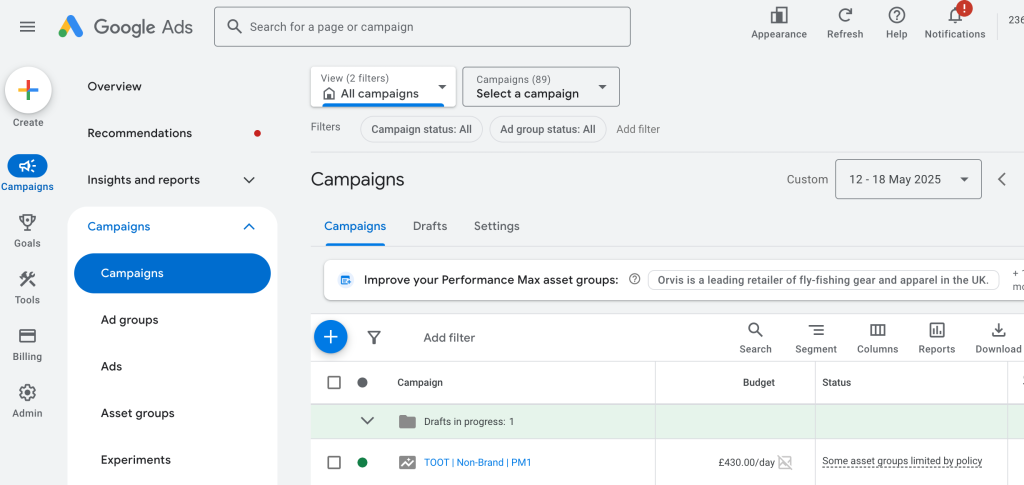
To set up your campaign, you’ll need to define your goals (e.g., website visits, conversions, brand awareness), target your audience, and set your budget. Once your campaign is live, you can monitor its performance and make adjustments as needed to optimise results.
Do We Need Google Ads for Our Business?
Google Ads is one of the most powerful advertising tools available today. Whether or not you need Google Ads depends on several factors, such as your business goals, target audience, and the competitiveness of your industry.
If you want to generate immediate traffic, increase brand awareness, and target a specific audience, Google Ads can be highly effective. However, it’s important to remember that managing Google Ads can be complex and time-consuming, which is why many businesses choose to work with a PPC management agency or PPC consultant to optimise their campaigns.
Why Choose Toot Marketing as your PPC Management Agency?
If you’re based in the UK, working with a local PPC management agency, like Toot Marketing, can be a great option. We have a deep understanding of the local market and can tailor campaigns to meet the specific needs of businesses in your area. Whether you’re looking to attract more local customers or expand your reach nationwide, a PPC agency can help you achieve your goals.
Expertise and Experience
Time and Resource Efficiency
A PPC management agency brings a wealth of experience to the table. They have the skills and tools necessary to optimise campaigns for maximum ROI. From keyword research and ad creation to performance tracking and conversion optimisation, they know how to get the best results from your PPC budget.
Running a successful PPC campaign takes time and expertise. By partnering with a PPC management agency, you can free up your time and focus on other areas of your business while experts handle your campaigns. Whether you’re a small business or a large corporation, outsourcing your PPC management can save you time, money, and effort.
How Can Toot Marketing Help?
At Toot Marketing, we specialise in delivering results-driven PPC management services for businesses across London and beyond. As a leading PPC agency London, we help businesses unlock the full potential of their paid search campaigns, ensuring that every penny of your ad spend is working hard to drive targeted traffic and conversions.
Our team of experienced PPC consultants works closely with you to understand your business goals, audience, and industry. Using this knowledge, we create tailored PPC campaigns that deliver measurable results. From campaign setup and management to optimisation and reporting, we are committed to helping you succeed in the competitive digital landscape
Conclusion
PPC is a powerful tool in digital marketing that allows businesses to drive targeted traffic, generate leads, and increase sales. By partnering with a PPC agency or PPC management agency, you can ensure that your campaigns are optimised for success. Whether you’re new to PPC or looking to take your campaigns to the next level, working with a PPC consultant can provide the expertise and insights you need to achieve your business objectives.
At Toot Marketing, we offer comprehensive PPC management services that help businesses achieve exceptional results. Contact us today to learn more about how we can help you grow your business with PPC.