Search engine optimisation (SEO) often feels like a technical black box. You update pages, publish blog posts, tweak keywords — and then wait. One of the biggest reasons some websites climb Google quickly while others stall is something called backlinks for SEO.
Backlinks are one of the oldest ranking factors in search engines, and despite countless algorithm updates, they remain central to how Google evaluates trust, authority and relevance. If you understand them properly, you unlock one of the most reliable ways to grow organic traffic.
This guide explains what backlinks for SEO actually are, why they matter so much, and how to build them safely and effectively.
What Are Backlinks for SEO?
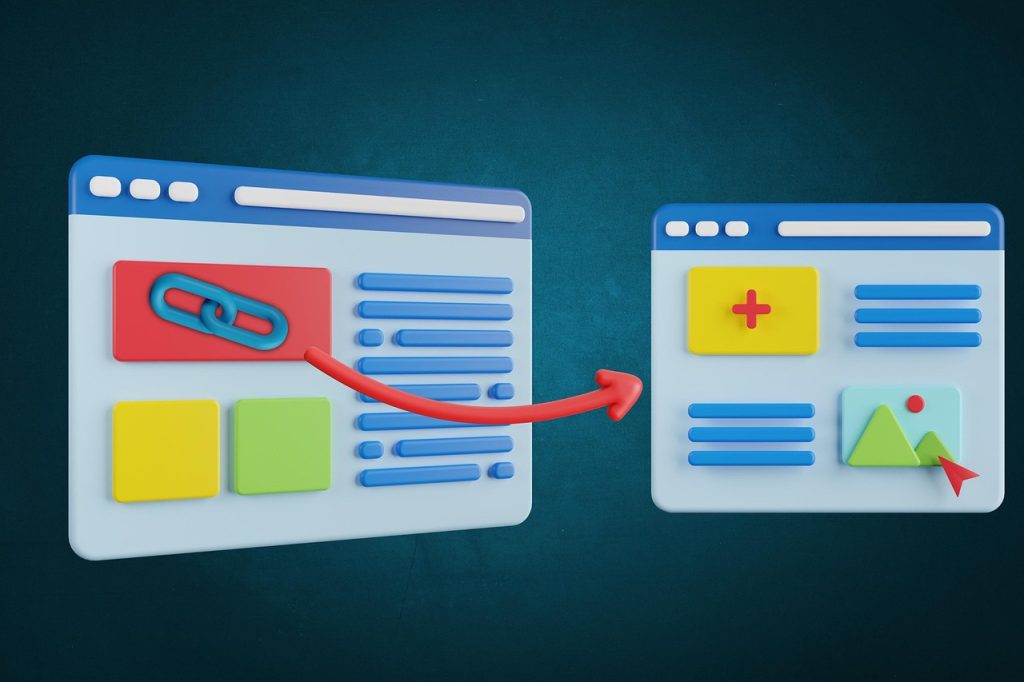
A backlink is a hyperlink from one website to another. If another website links to a page on your site, you’ve earned a backlink.
In SEO terms, backlinks function as signals of credibility. Google’s original algorithm (PageRank) was built on a simple assumption: if a website is frequently referenced by other reputable websites, it is probably useful and trustworthy.
Think of backlinks as recommendations. When a respected site links to you, it is effectively telling Google:
“This content is valuable. Users should see it.”
The more high‑quality recommendations you receive, the more confident search engines become about showing your pages in search results.
Internal Links vs Backlinks
It’s important not to confuse backlinks with internal links:
- Internal links: Links between pages on your own website
- Backlinks: Links from external websites to yours
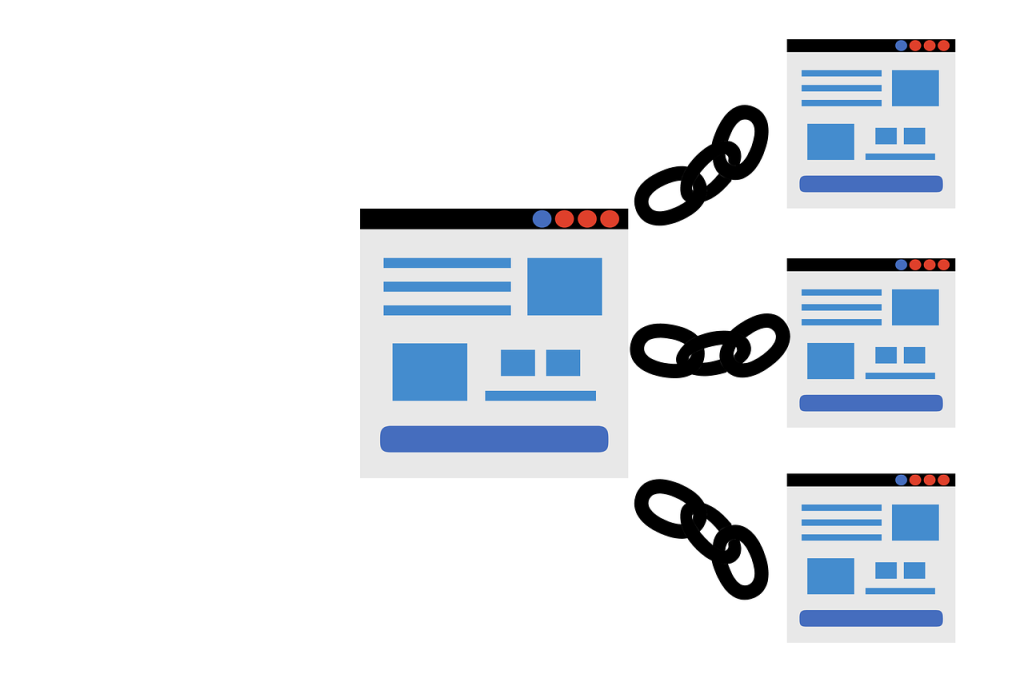
Both matter, but backlinks carry significantly more ranking weight because they come from independent sources
Why Backlinks Matter in SEO
Backlinks are not just a minor ranking factor — they are one of the core pillars of SEO alongside content and technical performance.
1. Authority and Trust
Google uses backlinks to measure domain authority (not an official Google metric, but an accurate concept). A website referenced by many reputable sources appears more trustworthy.
A single link from a respected publication can outweigh dozens from low‑quality blogs.
2. Higher Rankings
Pages with strong backlink profiles consistently rank higher in competitive search results. Even perfectly optimised content will struggle to rank without backlinks, especially for commercial keywords.
In practice, backlinks often explain why:
- A new competitor suddenly outranks an established business
- A useful article remains buried on page three
- Some sites dominate entire industries
3. Faster Indexing
Google discovers pages by crawling links. If nobody links to your page, Google may take a long time to find it — or may not prioritise it at all.
Backlinks act as discovery routes, guiding search engine crawlers directly to your content.
4. Referral Traffic
Backlinks don’t only help rankings. They also generate direct visitors. If a relevant blog, industry directory or news site links to you, readers can click straight through to your website.
This is particularly powerful because referral visitors already have context and intent.
Not All Backlinks Are Equal
A common misconception is that SEO success comes from getting as many backlinks as possible. In reality, quality matters far more than quantity.
Google evaluates backlinks using multiple signals.
Authority of the Linking Site
Links from trusted websites carry significantly more weight. Examples include:
- Established businesses
- Industry publications
- Government or educational domains
- Reputable news outlets
A single authoritative backlink can outperform 100 weak ones.
Relevance
Relevance is crucial. A marketing agency earning a link from a marketing blog is valuable. The same agency getting a link from an unrelated hobby forum is much weaker.
Google looks at topical relationship, not just popularity.
Anchor Text
Anchor text is the clickable wording of a link.
For example:
- “click here” – weak signal
- “digital marketing services” – strong contextual signal
Natural variation is important. Over‑optimised anchor text can look manipulative and trigger algorithmic distrust.
Link Placement
Contextual links inside body content are more valuable than links in:
- Footers
- Sidebars
- Comment sections
Google treats editorially given links as genuine recommendations.
Link Attributes: Follow, Nofollow, Sponsored and UGC
Backlinks also include attributes that change how search engines interpret them.
Follow Links
Standard links (often called “dofollow”) pass ranking authority. These are the most valuable backlinks for SEO.
Nofollow Links
These include a tag telling search engines not to pass authority. However, they still:
- Drive traffic
- Build brand awareness
- Contribute to a natural link profile
Sponsored Links
Used for paid placements or advertising. Google expects these to be declared.
UGC Links (User Generated Content)
Typically found in forums or comments. Lower ranking value but still useful for diversity.
A healthy backlink profile includes a mixture — not just follow links.
How to Build Backlinks Safely and Effectively
Many businesses search “how to build backlinks” and encounter risky advice. Buying bulk links or using automated tools can harm rankings rather than improve them.
Instead, sustainable SEO focuses on earning links, not manufacturing them.
1. Publish Link‑Worthy Content
The foundation of backlinks for SEO is content people actually want to reference. This includes:
- Research studies
- Original data
- Detailed guides
- Industry statistics
- Tools and templates
If your content answers questions better than existing pages, other websites naturally cite it.
2. Digital PR and Outreach
Proactive outreach is one of the most effective link building methods. This involves:
- Identifying relevant websites or journalists
- Presenting useful content or insights
- Offering expert commentary
Journalists regularly look for expert sources. Supplying a quote or data point often earns a high‑authority backlink.
3. Guest Articles
Writing expert articles for relevant publications remains effective when done correctly. The goal is not keyword stuffing but providing genuine value to another audience.
Good guest content builds both reputation and backlinks.
4. Resource Page Link Building
Many websites maintain curated resource lists. If your guide genuinely helps their audience, site owners are often happy to include it.
5. Partnerships and Local Citations
For local businesses, backlinks frequently come from:
- Suppliers
- Trade associations
- Chambers of commerce
- Local directories
These signals help Google confirm your business legitimacy and geographic relevance.
6. Broken Link Building
This tactic involves finding outdated links on other websites and suggesting your relevant page as a replacement. It helps the site owner while earning you a backlink — a mutually beneficial exchange.
What to Avoid When Building Backlinks
Google actively penalises manipulative link building. Practices to avoid include:
- Buying large volumes of cheap links
- Private blog networks (PBNs)
- Automated directory submissions
- Link exchanges at scale
- Comment spam
These tactics may provide short‑term ranking gains but frequently lead to ranking drops or manual penalties.
If a backlink exists solely to manipulate rankings rather than help users, Google can usually detect it.
How Many Backlinks Do You Need?
There is no universal number. The correct answer depends on competition.
For a low‑competition local service, a handful of relevant backlinks may be enough. For national or ecommerce keywords, dozens or hundreds of authoritative links may be required.
The real benchmark is not a fixed target — it is the backlink profile of the websites currently ranking on page one.
Measuring Backlink Success
Backlinks should produce measurable outcomes, not just vanity metrics.
Track improvements using:
Rankings
Your target keywords should gradually move upwards in search results.
Organic Traffic
More authoritative links typically lead to more impressions and clicks in Google Search Console.
Referral Traffic
Analytics platforms show visitors arriving directly via linking websites.
Indexing and Crawl Activity
New pages should be discovered and indexed faster.
If links do not lead to these improvements, the issue is usually link quality or relevance.
Frequently Asked Questions
What are backlinks for SEO in simple terms?
Backlinks are links from other websites pointing to yours. Search engines interpret them as votes of confidence. The more trustworthy websites referencing you, the more likely Google is to rank your pages highly.
How to build backlinks as a small business?
Start with practical methods:
- Create helpful local guides
- Join industry associations
- Get listed in reputable directories
- Partner with complementary businesses
- Provide expert commentary to bloggers and journalists
Consistency matters more than scale.
Are backlinks still important in 2026?
Yes. Google’s algorithms now evaluate content quality, user experience and intent more effectively than ever, but backlinks remain a primary way search engines assess credibility. They have evolved — not disappeared.
Final Thoughts
Backlinks for SEO are not a loophole or trick. They are a digital reflection of reputation. When other websites reference you, search engines interpret that as trust, authority and usefulness.
The goal is not simply to collect links — it is to become a site worth linking to.
Strong content, genuine relationships and consistent digital PR outperform shortcuts every time. Businesses that treat SEO as long‑term brand building typically see the most sustainable growth.
If your website publishes helpful information, contributes expertise to your industry and earns attention naturally, backlinks follow — and rankings follow with them.
Get in touch with Toot Marketing to discuss backlinks for your website.