
How Long Does SEO Take to Show Results?
Search Engine Optimisation (SEO) is a crucial aspect of digital marketing that can help businesses increase their online visibility, drive organic traffic, and...

Search Engine Optimisation (SEO) is a crucial aspect of digital marketing that can help businesses increase their online visibility, drive organic traffic, and ultimately boost conversions. However, one of the most common questions businesses ask when they begin an SEO campaign is: How long does SEO take to work?
If you’re investing time and resources into SEO, you want to know when you’ll start seeing results. In this article, we’ll explore the factors that affect how long it takes for SEO to show results, what you can expect in terms of timelines, and how to set realistic expectations for your SEO efforts.
What Is SEO and Why Is It Important?
SEO refers to the process of optimising a website to improve its visibility on search engines like Google. The goal of SEO is to increase your website’s ranking for specific search queries related to your products or services. When your website ranks higher, you are more likely to drive organic traffic, generate leads, and ultimately increase sales.
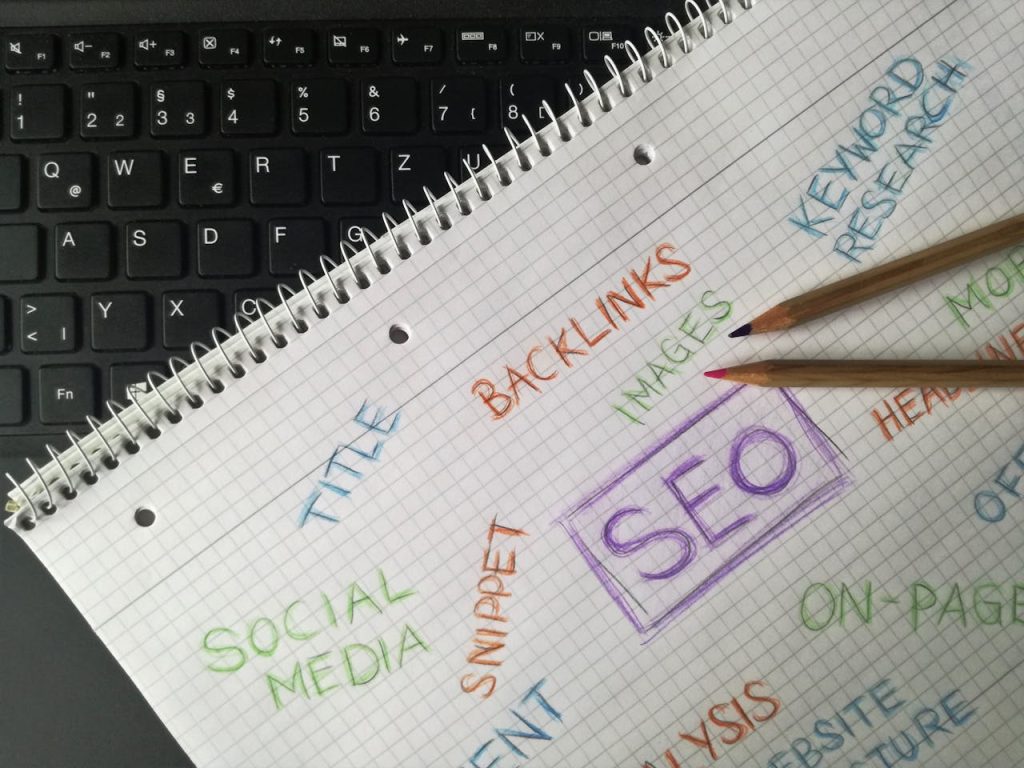
SEO involves a variety of tactics, including:
- Keyword Research: Identifying the keywords and phrases your target audience is searching for.
- On-Page Optimisation: Optimising content, meta tags, images, and internal links for better search engine rankings.
- Off-Page Optimisation: Building backlinks and engaging in social media and other online activities to improve your website’s authority.
- Technical SEO: Ensuring that your website is fast, secure, and accessible for both users and search engines.
As SEO involves multiple strategies, it’s important to understand that it’s a long-term investment. While it can provide great returns, the timeline for seeing results is often longer than with paid advertising like PPC.

Factors That Affect How Long SEO Takes to Work
There’s no fixed timeline for SEO results, as it depends on a variety of factors that can influence how quickly changes will take effect. Here are some of the most important factors to consider when estimating how long SEO will take to work.

1. Competition in Your Industry
The level of competition in your industry plays a significant role in how long it will take for your SEO efforts to show results. If you’re in a highly competitive industry, such as insurance, legal services, or finance, it will likely take longer to rank for valuable keywords due to the sheer number of businesses vying for the same audience.
On the other hand, if you’re in a niche industry with less competition, you may see results more quickly. The less competition you face, the easier it is to rank higher for specific search terms.
2. The Current State of Your Website
If your website already has a solid foundation with good content, a fast load time, and basic SEO practices in place, you might see results quicker than a website that is starting from scratch. If your website is new, it may take longer to see the impact of SEO because search engines need time to crawl and index new pages.
For websites that are already established, SEO efforts may have a faster impact, particularly if your website already has some backlinks, a history of organic traffic, and a strong domain authority.


3. Quality of Your Content
Search engines like Google prioritise high-quality content that answers users’ search queries. If your content is relevant, valuable, and well-optimised, it can help you rank faster. This is because search engines recognise that your content is more likely to provide value to the searcher, leading to better rankings.
If you focus on providing comprehensive, in-depth, and informative content that directly addresses the needs of your target audience, it could improve your chances of ranking more quickly. Quality content is key in SEO, and content that resonates with users can help your website gain more visibility.
4. Backlink Profile
Backlinks—links from other websites to your website—are a crucial factor in SEO. They are seen as “votes of confidence” by search engines, indicating that your website is trustworthy and authoritative. The more high-quality backlinks you have, the more likely you are to rank higher.
However, acquiring backlinks is a slow and steady process. Building a strong backlink profile takes time, and while high-quality backlinks can boost your rankings, it’s important to focus on natural link-building strategies. Search engines tend to favour websites that earn backlinks over time rather than those that acquire a large number of links quickly.
5. Search Engine Algorithm Updates
Search engines like Google constantly update their algorithms to improve the quality of search results. These updates can affect your website’s rankings and can sometimes cause fluctuations in how long SEO takes to work. For instance, a major Google update may change how certain factors are weighted, meaning your rankings could either improve or suffer.
Staying informed about algorithm updates and adjusting your SEO strategy accordingly is essential. Regularly monitoring your website’s performance using tools like Google Analytics and Google Search Console can help you track the impact of these changes.
6. SEO Strategies Implemented
The strategies you choose to implement in your SEO campaign also determine how long it will take to see results. For example:
Local SEO: If your goal is to improve local search rankings, results can often be seen faster, especially if you have an optimised Google My Business listing and are targeting location-specific keywords.
On-page SEO: If you’re focusing on optimising existing content with target keywords, meta tags, and improving your internal linking structure, results can often be seen in a few months.
Off-page SEO: If you’re working on building backlinks through guest posts, influencer outreach, and other link-building strategies, it may take several months to see the results of your efforts.

The key to success with SEO is consistency. SEO isn’t a one-time fix—it requires ongoing effort to maintain and improve rankings over time.
How Long Does SEO Take to Work? A Realistic Timeline
Given the factors listed above, it’s difficult to pinpoint an exact timeline for when SEO will start showing results. However, here is a general breakdown of what you can expect in terms of timeframes:
0-3 Months: Early Stages
3-6 Months: Gradual Improvements
In the first few months of an SEO campaign, you may not see significant changes in your search rankings, but there will be important groundwork being laid. During this period, activities like keyword research, on-page optimisation, and improving your website’s technical aspects will take place.
You may see some improvements in traffic, especially if your site’s technical SEO has been addressed, but ranking changes are usually minimal during the early stages.
After three to six months, you should begin to see more noticeable improvements. Your website may start to rank for more keywords, and your organic traffic should begin to increase. The work you’ve done on content creation, optimising meta descriptions, and acquiring backlinks should start to show results.
By this point, you may see increases in organic traffic and conversions, especially if you’ve been focusing on high-value, low-competition keywords.
6-12 Months: Tangible Results
12+ Months: Long-Term Results and Maintenance
After six to twelve months of consistent SEO work, you should see more substantial results. Your rankings for important keywords should be improving, and you should be receiving more organic traffic. At this stage, the SEO efforts you’ve put into content, backlinks, and technical SEO will be coming to fruition.
If you have a solid content strategy in place, you may start to rank for competitive keywords. By now, your business should be seeing more leads, conversions, and an increase in brand visibility.
In the long term (12 months and beyond), the impact of SEO should be more significant. By this time, you will have a stronger online presence and may have achieved significant rankings for your most valuable keywords. Organic traffic and conversions should continue to grow as your website establishes itself as a trusted resource in your industry.
However, SEO is an ongoing process, and even after a year, you must continue to optimise, build backlinks, and update content to maintain and improve your rankings. The competitive nature of SEO means that staying at the top of search results requires ongoing work.
Can You Speed Up SEO?
While SEO is a long-term investment, there are a few ways to expedite the process and see faster results:
- Focus on high-impact areas: Prioritise technical SEO improvements and target low-competition, high-value keywords that can rank more quickly.
- Optimise for featured snippets: Featured snippets (the box that appears at the top of some search results) can drive significant traffic and improve visibility.
- Leverage social media: Sharing your content on social media platforms can drive more traffic to your website and help improve your SEO performance over time.
- Use paid search to complement SEO: Running Google Ads or other paid campaigns can give your website a boost while your organic rankings grow.
While these tactics can help, remember that SEO is still a long-term process. Patience and consistency are key.
Conclusion
SEO is a powerful tool for increasing online visibility, driving traffic, and growing your business, but it’s important to set realistic expectations about how long it will take to see results. While some improvements may be visible within three to six months, the full benefits of SEO typically take six to twelve months to materialise.
Factors such as competition, website quality, content, backlink profile, and SEO strategies all play a role in how quickly results are achieved. By staying patient, consistent, and committed to ongoing optimisation, SEO can provide significant long-term benefits for your business.
At Toot Marketing, we specialise in providing comprehensive SEO strategies that drive results. Whether you’re looking to improve your rankings, increase organic traffic, or optimise your website’s performance, our team of SEO experts is here to help. Contact us today to learn how we can accelerate your SEO journey and help your business thrive online!
More resources

What Are Display Ads? A Simple Guide for UK Businesses
If you have ever browsed a website and seen a visual advert promoting a product, service or brand, you have probably seen a display ad. Display ads are one of...
Google Ads vs Meta Ads: Which Offers Better ROI?
When businesses start investing in paid advertising, one of the first questions they usually ask is simple: should we spend our budget on Google Ads or Meta...
What Is Conversion Rate Optimisation (CRO)?
Getting traffic to your website is only half the battle. If visitors arrive but don’t take action, your marketing budget is working harder than it needs to....
Want help putting this into action?
Tell us about your goals and we will map out the next steps for your business.