Getting traffic to your website is only half the battle. If visitors arrive but don’t take action, your marketing budget is working harder than it needs to.
That’s where conversion rate optimisation comes in.
For UK businesses investing in SEO, PPC, paid social or content marketing, CRO is often the missing piece. You can drive more clicks, more visits and more impressions, but if your website doesn’t convert, growth stalls. Done properly, conversion rate optimisation helps you turn more of your existing traffic into leads, enquiries and sales — without necessarily increasing your ad spend.
For brands looking at conversion rate optimisation, the appeal is obvious: more value from the traffic you already have, lower acquisition costs and a better-performing website overall.
In this guide, we’ll break down what CRO actually means, why it matters, and the practical steps businesses can take to increase conversions with smarter website strategy.
What Is Conversion Rate Optimisation?
Conversion rate optimisation (CRO) is the process of improving your website so that more visitors complete a desired action.
That action could be:
- Filling in a contact form
- Making a purchase
- Booking a consultation
- Downloading a guide
- Signing up to a newsletter
- Calling your business
- Requesting a quote
In simple terms, CRO is about getting more results from the traffic you already have.
If 1,000 people visit your website and 20 of them convert, your conversion rate is 2%. If you improve that to 3%, you’ve increased results by 50% without needing to drive more traffic. That’s why CRO is such a valuable part of digital marketing.
For businesses searching for conversion rate optimisation, it’s important to understand that CRO is not just about changing button colours or running random A/B tests. Good CRO is rooted in user behaviour, data and commercial intent. It’s about understanding why users drop off, what they need to feel confident, and how to make the journey easier from first click to final conversion.
Why CRO Matters More Than Ever
A lot of businesses focus heavily on traffic generation. They invest in SEO, paid search, social ads and content, but spend very little time improving what happens after someone lands on the site.
That’s where money gets left on the table.
If you’re already paying to attract visitors, every percentage point improvement in conversion rate can have a major impact on ROI. In many cases, improving your website is more cost-effective than spending more to bring in extra traffic.
CRO helps businesses:
- Increase conversions without increasing ad spend
- Reduce cost per lead or cost per acquisition
- Improve return on marketing investment
- Get more value from SEO and PPC traffic
- Create a smoother, more user-friendly website experience
- Turn traffic growth into actual business growth
This is why CRO should never be seen as a standalone tactic. It works best when it supports the wider digital strategy. If you’re investing in traffic channels but ignoring what happens on the website, you’re only doing half the job.
How CRO Works in Practice
Conversion rate optimisation is part analysis, part testing and part UX improvement.
The process usually starts with identifying where users are dropping off or hesitating. That might be a landing page with a high bounce rate, a contact form that gets abandoned, a product page with lots of views but few sales, or a checkout process where users disappear before completing payment.
From there, the goal is to understand why.
That often involves looking at:
- Analytics data
- Heatmaps and click tracking
- Scroll depth
- Session recordings
- Form analytics
- User behaviour trends
- Device performance differences
- Page speed and technical friction
Once the issues are clearer, the next step is making strategic changes and testing what improves performance.
Those changes might include:
- Rewriting headlines and page copy
- Improving calls to action
- Simplifying forms
- Reducing unnecessary distractions
- Improving page speed
- Adding trust signals
- Strengthening product or service messaging
- Making navigation clearer
The best CRO work is rarely about one big dramatic change. It’s usually about a series of smart improvements that remove friction and make it easier for people to say yes.
How to Increase Conversions on Your Website
One of the most common questions businesses ask is: how to increase conversions?
The answer depends on the site, the audience and the offer, but there are a few universal principles that apply to almost every business.
Make Your Value Proposition Clear
If a visitor lands on your website and can’t quickly understand what you do, who it’s for, and why they should care, you’ve already lost ground.
Your homepage, service pages and landing pages should make the core offer obvious within seconds. Visitors should not need to scroll halfway down the page or click around multiple sections to figure out the basics.
A strong value proposition should answer:
- What do you offer?
- Who is it for?
- What problem does it solve?
- Why should someone choose you over alternatives?
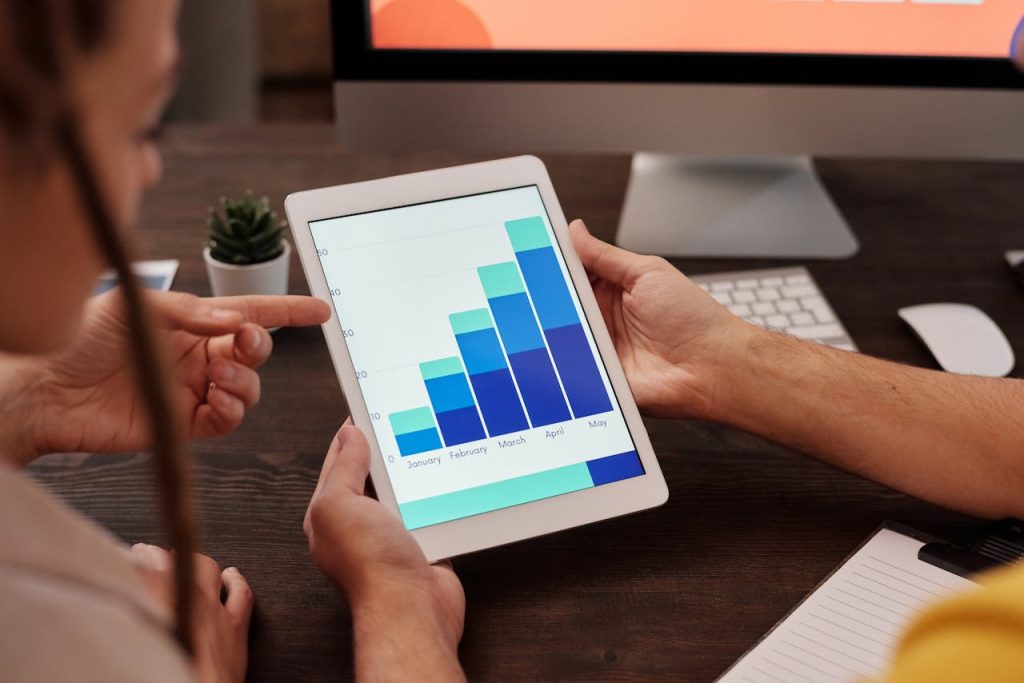
Clear messaging is one of the simplest and most effective ways to increase conversions, especially for service-led businesses.
Improve Your Calls to Action
A surprising number of websites bury their calls to action or make them too vague.
Buttons like “Learn More” or “Submit” often underperform because they don’t tell the user what happens next. Better CTAs are clearer, more direct and tied to intent.
For example:
- Get a Free Quote
- Book Your Consultation
- Request a Demo
- Start Your Free Trial
- Speak to Our Team
The goal is to reduce hesitation. If the next step feels obvious and low-friction, users are more likely to take it.
Reduce Friction in Forms and Checkout Journeys
Friction kills conversions.
If your contact form asks for too much information, or your checkout process is clunky, users will drop off. This is one of the most important website conversion tips for both lead generation and e-commerce sites.
Common friction points include:
- Too many form fields
- Mandatory fields that aren’t necessary
- Slow-loading pages
- Unclear pricing
- Complicated checkout steps
- Poor mobile usability
- Hidden fees or delivery surprises
A good rule of thumb is simple: only ask for what you genuinely need at that stage of the journey.
Build More Trust Into the Page
People convert when they feel confident. If your website gives them doubt, they pause. And when users pause, many leave.
Trust signals can make a big difference, especially for businesses asking users to enquire, book or buy online.
Effective trust signals include:
- Reviews and testimonials
- Client logos
- Case studies
- Accreditations or certifications
- Security badges
- Clear contact details
- Transparent pricing or process information
- Guarantees or risk-reduction messaging
For UK businesses investing in conversion rate optimisation, trust is often one of the biggest untapped opportunities — especially on service pages.
The Best Website Conversion Tips for UK Businesses
When businesses ask for practical website conversion tips, the best advice is usually less about “hacks” and more about removing barriers.
Here are some of the most effective improvements:
Prioritise Mobile Experience
A large share of traffic now comes from mobile, yet many websites are still designed desktop-first.
If your mobile experience is slow, cluttered or difficult to use, your conversion rate will suffer.
Focus on:
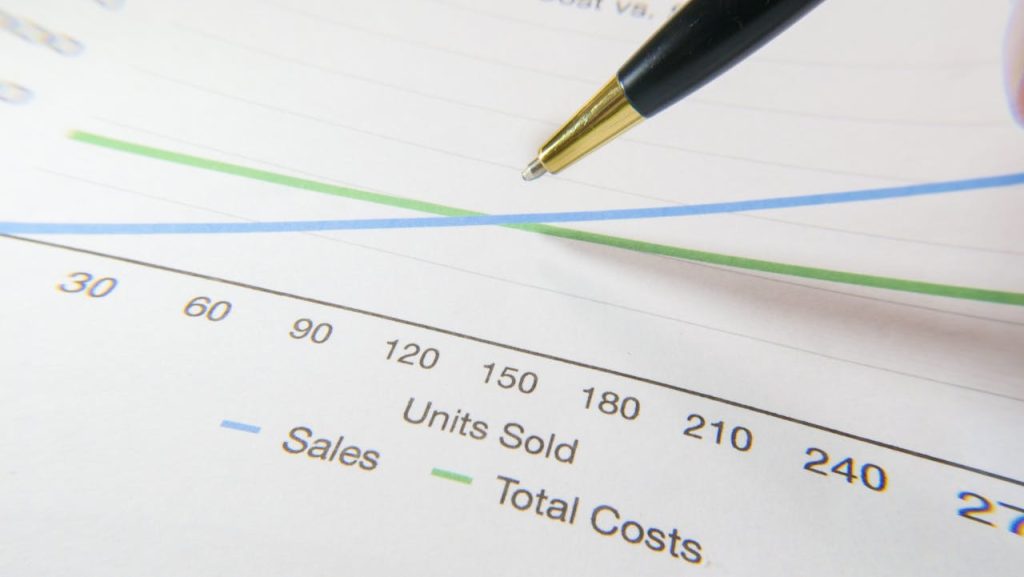
- Fast page load times
- Clear mobile layouts
- Easy-to-tap buttons
- Short forms
- Sticky CTAs where appropriate
- Readable text and spacing
Match the Landing Page to the Traffic Source
A user clicking a Google Ads campaign should land on a page that clearly matches the promise of the ad. The same applies to paid social campaigns, email campaigns or SEO-driven service pages.
If the message on the landing page feels disconnected from the ad or keyword intent, users lose confidence quickly.
Make Navigation Easier, Not Cleverer
Fancy navigation might look impressive, but it often creates confusion.
Users should be able to find what they need quickly. Clear menu labels, sensible page structure and logical next steps all support better conversions.
Speed Matters More Than You Think
Page speed is not just a technical SEO issue. It is a conversion issue too.
A slow site creates frustration, especially on mobile. Even small delays can impact lead generation and e-commerce performance.
If you want to increase conversions, improving speed is often one of the fastest wins.
CRO for Lead Generation vs E-Commerce
Not all CRO looks the same.
For lead generation businesses, the focus is often on:
- Contact forms
- Quote requests
- Consultation bookings
- Phone call actions
- Trust-building content
- Service page clarity
For e-commerce brands, CRO tends to focus more on:
- Product page performance
- Cart abandonment
- Checkout flow
- Product imagery
- Shipping clarity
- Returns information
- Upsells and cross-sells
The principle is the same in both cases: remove friction, increase confidence and make the next step easier.
Common CRO Mistakes Businesses Make
One of the biggest CRO mistakes is guessing.
Too many businesses make random changes because they “feel” right, without using real data or user behaviour insights. CRO should be informed by evidence, not opinion.
Other common mistakes include:
- Sending traffic to generic pages instead of dedicated landing pages
- Using weak or unclear CTAs
- Overloading pages with too much text or too many options
- Ignoring mobile performance
- Hiding important trust signals
- Asking for too much too soon
- Focusing on traffic metrics instead of conversion metrics
Another common issue is treating CRO as a one-off task. In reality, conversion rate optimisation is an ongoing process. User behaviour changes, markets shift, competitors evolve and websites need to keep improving.
Why CRO Should Work Alongside SEO and Paid Media
CRO is not a replacement for SEO or PPC. It makes them work harder.
If your SEO campaign brings in more organic traffic but your pages convert poorly, you’re limiting the return. If your paid campaigns drive clicks but the landing page is weak, you’re paying for wasted opportunities.
This is why conversion rate optimisation is often most effective when it sits alongside the wider digital strategy.
A joined-up approach means:
- SEO brings qualified traffic
- Paid media captures demand
- Landing pages align with user intent
- CRO improves the percentage of users who convert
- Reporting focuses on leads, sales and ROI — not just clicks
That’s how digital marketing becomes more efficient.
Final Thoughts
So, what is conversion rate optimisation?
In simple terms, it’s the process of improving your website so more visitors take action. But in practice, it’s much more than that. Good CRO is about understanding user behaviour, reducing friction, building trust and making your website work harder for your business.
If you want to increase conversions, you don’t always need more traffic. Sometimes the biggest wins come from improving what happens after the click.
For businesses exploring conversion rate optimisation UK, the opportunity is huge. Better conversion rates mean more leads, more sales and better returns from the marketing channels you’re already investing in.
And the best part? You don’t need gimmicks or guesswork.
You need a website that’s clear, fast, trustworthy and designed to convert.
That’s what good CRO delivers.
Get in touch with us if you are interested in CRO.