In the world of digital advertising, PPC (Pay-Per-Click) campaigns such as Google Ads are powerful tools for driving targeted traffic. But even the most carefully crafted ad campaigns can fall short if they lead users to a lacklustre landing page. Great landing pages are the secret ingredient behind many high-performing PPC campaigns—and in 2025, their role has never been more crucial.
Whether you’re running ads to generate leads, boost sales, or promote a new service, your landing page ultimately determines whether that click turns into a conversion. In this article, we’ll explore why landing pages matter, what makes a good landing page, and actionable tips for landing pages that can help elevate your PPC performance.
Why Landing Pages Matter in PPC
A PPC ad does one thing exceptionally well: it gets the user to click. But a click alone does not grow your business—conversions do. That’s where landing pages come in.
1. Landing Pages Improve Conversion Rates
Sending PPC traffic to a home page or generic service page rarely leads to strong conversions. Those pages tend to be broad and full of distractions. A landing page, however, is built with one clear goal and tailored messaging that aligns with your ad campaign.
This tight alignment dramatically increases the likelihood of conversions.
2. Better Landing Pages Improve Google Ads Quality Score
Google Ads rewards relevance. A high-quality landing page that matches user intent can:
- Improve your Quality Score
- Lower your cost-per-click (CPC)
- Improve ad placement
In other words, better landing pages can reduce ad costs and increase performance.
3. Landing Pages Provide a Tailored User Experience
Different PPC campaigns have different focuses—so why send all users to the same page?
Landing pages allow you to:
- Speak directly to a particular audience segment
- Match messaging to the specific keyword or ad group
- Highlight the exact offer or solution promised in the ad
When users feel they’ve landed in the right place, they engage more and bounce less.
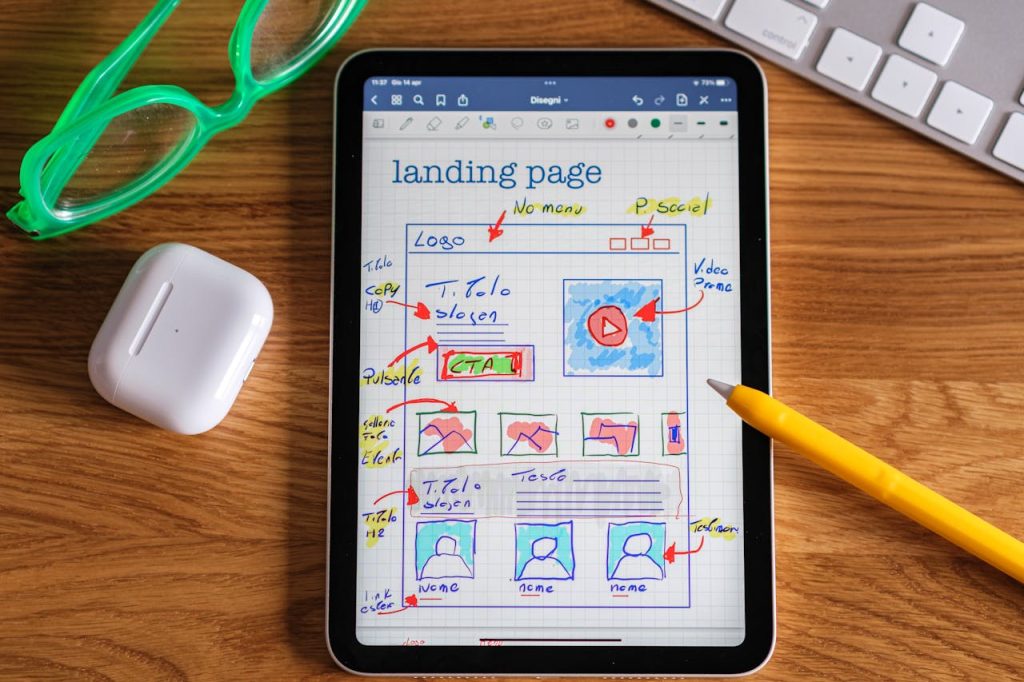
What Makes a Good Landing Page?
A high-converting landing page is built with strategy, intention, and user experience in mind. Here are the core elements.
1. Clear and Compelling Headline
Your headline should immediately reassure users they’re in the right place. It must match the message in your Google Ads copy.
Good example:
“Fast, Reliable Plumbing Services in Manchester – Book Today”
(If the ad promoted local plumbing services.)
2. Strong Call-to-Action (CTA)
Your CTA must be:
- Prominent
- Clear
- Actionable
Examples include:
Get Your Quote, Book a Consultation, Start Free Trial, Buy Now, Download Guide.
3. Focused, Benefit-Led Messaging
People scanning your landing page want answers fast.
Your messaging must clearly explain:
- What the offer is
- Why it matters
- What problem it solves
- Why they should trust you
Benefits should be prioritised over features.
4. Trust-Building Elements
To encourage conversions, landing pages should include reassurance signals such as:
- Testimonials
- Reviews
- Awards & certifications
- Trust badges (e.g., secure checkout, money-back guarantee)
- Industry experience
5. High-Quality Visuals
Images and videos should be:
- Professional
- Relevant
- Aligned with your brand
- Supportive of the message (not just decorative)
Video, particularly explainer videos or testimonials, can significantly boost conversions.
6. Fast Loading Speed
A slow landing page kills PPC results.
Google research shows 53% of users abandon a page that takes more than 3 seconds to load.
Optimise performance by:
- Compressing images
- Using modern hosting
- Minimising scripts
7. Mobile-Friendly Design
With over 60% of PPC clicks coming from mobile devices, landing pages must be fully responsive.
Buttons should be tap-friendly, text readable, and forms easy to complete on small screens.
How Landing Pages Influence PPC Success
Your landing page is the link between your PPC investment and real business results. Here’s how it impacts performance.

Improved Ad Relevance
Google evaluates how closely your landing page content matches your keywords and ads.
Strong alignment = better quality score = lower costs.
Higher Conversion Rates
The more users convert, the more profitable your PPC campaign becomes.
Landing pages designed for conversions produce:
- More leads
- More sales
- Better return on ad spend (ROAS)
Reduced Cost Per Acquisition (CPA)
When your conversion rate increases, your CPA naturally decreases.
Even small improvements—like increasing conversion rate from 2% to 4%—can halve your cost per lead.
Tips for Landing Pages That Boost PPC Performance
If you want to improve your PPC results, these practical landing page optimisation tips can help.
1. Match Your Landing Page to the Keyword and Ad
Consistency between:
- Keyword
- Ad copy
- Landing page
…is essential.
If your ad promises “Free SEO Audit,” your landing page headline should mention Free SEO Audit—not “Digital Marketing Services.”
2. Keep the Page Simple and Focused
One goal.
One offer.
One CTA.
Avoid distractions like navigation menus, unrelated content, or multiple CTAs.
Simplicity boosts conversions.
3. Use Short Forms (Only Ask for Essentials)
Long forms increase friction. Users are less likely to convert if they must fill in unnecessary fields.
Try reducing your form to:
- Name
- One qualifying question
Short forms = more submissions.
4. Create Urgency
Adding urgency encourages users to act quickly.
Effective urgency techniques include:
- Limited-time offers
- Countdown timers
- “Only X slots left”
- Exclusive bonuses
But ensure urgency is genuine—false scarcity damages trust.
5. Leverage Social Proof
If people see others trust your business, they’ll feel reassured too.
Types of social proof:
- Google reviews
- Before-and-after photos
- Client success stories
- Industry case studies
Social proof boosts credibility and conversions.
6. Test and Optimise Continuously
The best landing pages are never “finished”.
Use A/B testing to experiment with:
- Headlines
- CTA text
- Colours
- Layout
- Form length
- Images
Use Conversion-Focused Layouts
High-converting landing pages follow predictable structures:
- Headline
- Subheadline
- Benefits
- Visual element
- CTA
- Social proof
- Additional details
- Final CTA
This layout guides users from curiosity to conversion.

The Role of Google Ads Quality Score
Google Ads gives each ad a Quality Score, based on:
- Ad relevance
- Expected click-through rate
- Landing page experience
Landing pages influence Quality Score in several ways:
Landing Page Experience Factors
Google evaluates:
- Relevance to the keyword
- Transparency (clear info about your business)
- Ease of navigation
- Mobile friendliness
- Speed
A better landing page experience = higher Quality Score.
Why Quality Score Matters
A high Quality Score can:
- Lower CPC
- Improve ad positions
- Increase impression share
- Reduce wasted spend
In short, improving landing pages can drastically improve the profitability of your PPC campaigns.
What Makes Landing Pages Different from Website Pages?
Landing pages and normal pages serve different purposes.
Landing Pages Are Conversion-Focused
They aim for one action—such as:
- Download
- Purchase
- Signup
- Call
- Booking
Everything on the page supports that goal.
Website Pages Are Informational
Your homepage, about page, or service detail pages must cover broader content—not ideal for PPC traffic.
Why PPC + Landing Pages = Higher ROI
If you invest in PPC without building optimised landing pages, you’re not making the most of your ad spend.
Landing pages amplify the effectiveness of Google Ads by ensuring that the traffic you’ve paid for actually converts.
Together, they create a powerful funnel:
- Google Ads brings targeted users to your website
- Landing Pages convert those visitors into leads or customers
- Optimisation reduces costs and increases profitability
This combination makes PPC a sustainable long-term strategy.
Conclusion: Landing Pages Are Essential for PPC Success
If you’re investing in PPC campaigns like Google Ads, landing pages are not optional—they are mission-critical. They improve conversion rates, enhance user experience, increase Quality Scores, and ultimately help businesses achieve greater ROI from their advertising.
For small firms to large UK businesses, optimised landing pages are a fundamental part of PPC success in 2025 and beyond.
At Toot Marketing, we expertly manage Google Ads campaigns to ensure every click counts. Whether you’re looking to boost conversions, increase sales, or maximise your ad spend, our team can help.
Ready to improve your PPC results?
Get in touch with Toot Marketing today to transform your landing pages and unlock better performance across every campaign.